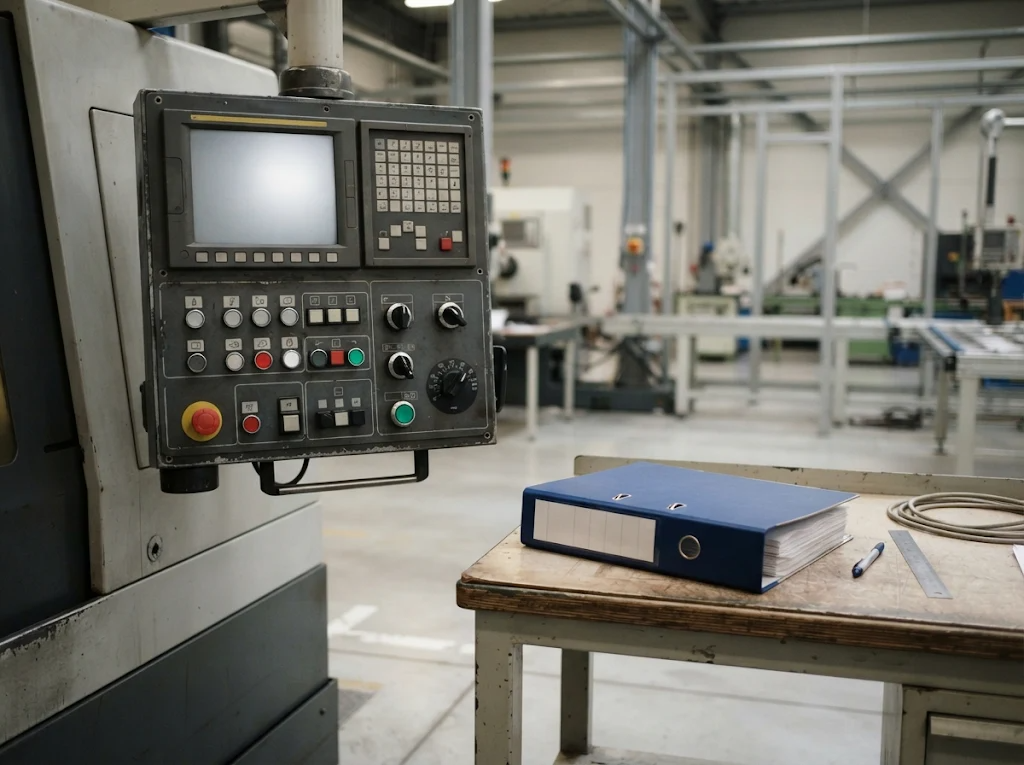
German machines, tools and control systems are sold around the world, and each of them ships with a manual that someone must translate. A mistake in a torque value, a safety warning or a maintenance step can lead to damage, injury or a rejected shipment. Choosing a German translation company for technical manuals means checking its process as closely as its prices, because accurate terms, consistent layout and traceable approvals matter more than speed in documents that people follow step by step. This checklist helps engineering and documentation teams compare providers and set up a safe workflow.
Check subject experience
Ask which industries the team covers and request a sample from a similar field. A german translation company that handles machinery, electronics or software should be able to show terminology lists and name the specialists who will read your text.
Ask about terminology management
Technical manuals reuse the same terms hundreds of times. A good provider builds a glossary for your project, asks you to approve disputed terms and keeps the list for later updates. Without it, two translators can describe the same part with different words.
Look at the process and the tools
Ask whether the team uses translation memory, how files are checked and who performs the final review. Our article on English to Romanian translation describes a similar process of briefing, review and delivery that applies to technical work in any language pair.
Safety texts and regulations
Warnings, symbols and compliance statements must meet local rules. Ask whether the provider knows the relevant standards and can work with your safety engineer. Warnings should be translated first, and reviewed by a second specialist before the rest of the document.
Layout, graphics and file formats
Manuals often come as layout files with drawings and callouts. Ask whether the provider can work in your format, translate text in graphics and check the final pages for broken lines, since German text is usually longer than English.
Certification when it is required
Some offices want a signed statement from the translator, a notary or an apostille. Ask the receiving party what it accepts before you order, and request the certificate together with the translation.
Working with images and graphics
Text inside images cannot be changed by a plugin. Send editable files, translate labels and captions together with the main text and check that fonts show every German special character correctly.
Keeping a consistent brand voice
Write a short voice guide with examples of friendly, formal and technical sentences. It helps translators match the tone of your brand across all texts for technical manuals and product documentation.
Handling abbreviations
Abbreviations differ between English and German. Keep a list of those you use, spell them out on first use and agree whether the English form stays, so that readers are never left guessing.
Budgeting for several languages
If German is only the first of several languages, plan the process once. A shared glossary, a clear file structure and one coordinator keep costs and delays under control as you add markets for technical manuals and product documentation.
Feedback after delivery
Send edited versions back to the translator after publication. Short comments on style and terms help the team improve, and the glossary for technical manuals and product documentation grows with every approved text.
Planning time and cost
Plan translation early and ask for one quote that covers translation, review and delivery. A shared glossary lowers cost over time, because earlier terms and sentences can be reused in every new text for technical manuals and product documentation.
Common mistakes to avoid
Typical problems include mixed spellings, untranslated labels, wrong dates and old figures left in updated files. A short checklist and one person responsible for approvals prevent most of these problems in technical manuals and product documentation.
Choosing a translation partner
Look for experience with technical manuals and product documentation, clear confidentiality terms and a named contact. Ask for a short sample and compare how each provider handles glossaries, questions and corrections.
Working with your provider
Share the purpose of each text, the audience and the deadline with every order. Answer questions quickly and approve key terms early, because a short call at the start often saves several rounds of corrections.
Glossaries and style guides
Write down the approved German term, a short definition and a note on words that stay in English. For technical manuals and product documentation, this small list keeps every translator, editor and reviewer on the same page.
Names, dates and numbers
Check every name, date, amount and phone number against the source. German uses a decimal comma and writes dates as day, month, year, so numbers need a second look before anything is published.
Formal and informal address
German offers a formal and an informal way to address the reader. Decide which one suits your audience in technical manuals and product documentation and use it everywhere, since a sudden change of tone looks careless.
Where to read more
For background on the discipline, see the Wikipedia article on technical writing, which describes how instructions and documentation are prepared.